Gunsan columnsHistory & ArchitectureModern Railway and Industrial Heritage6 min read
Life on Tracks Where the Whistle Stopped: Memories of Gyeongam-dong Railroad Village and Impi Station
We follow the history of the railroad village on the Paper Korea spur line, opened in 1944, and the Impi Station Building, a small station built in 1936.

Railways where trains no longer run did not disappear; they became walking paths that hold on to the city's memory.
We read the modern industrial heritage left by railways and distribution. It includes the 2.5 km railway in Gyeongam-dong, laid in 1944 to carry newsprint materials, Impi Station, built around 1936 and keeping the original form of a rural flag stop, and the Former Joseon Food Corporation Gunsan Branch Office.
The 3 places in this columnFull list
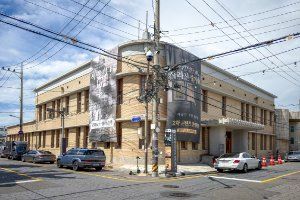
Former Joseon Food Corporation Gunsan Branch Office
- Hours
- 10:00–17:00 (lunch break 12:00–13:00)
- Closed days
- Every Monday

Gyeongam-dong Railroad Village
- Hours
- Always open
- Closed days
- Open all year

- Hours
- 10:00–18:00
- Closed days
- Closed every Monday
Photos: Korea Tourism Organization · KOGL Type 1, KOGL Type 3 (no changes allowed)
“As wildflowers grow over the sleepers where the whistle has gone quiet, the cold steel rails that once carried raw materials and grain have become the warmest alley, where people's footsteps overlap.”
A 2.5 km Line from 1944 That Carried Newsprint Materials
Step into the area around 14 Gyeongchon 4-gil and buildings hug the tracks so closely that two or three adults walking side by side fill the gap. This is Gyeongam-dong Railroad Village. It lies on a 2.5 km private spur line opened in 1944 to link Gunsan Station with the factory of Paper Korea (formerly Bukseon Paper Chemical Industry), a newsprint maker.
Around the 1970s, poor residents built shacks on the leftover land on both sides of the tracks and lived together. Whenever a train passed, a whistle blew and they gathered in laundry and household goods, a curious sight that continued until trains stopped in 2008. The tracks, also a filming location of the film Man in Love, are still open at all times, letting you walk on the sleepers and look into the texture of past daily life.
- Gyeongam-dong Railroad VillageHours Always open
Gunsan Impi Station Building, a Small Station Holding the Time of the 1936 Gunsan Line
If the Gyeongam-dong tracks show a slice of urban industrialization, the Gunsan Impi Station Building at 2-5 Seowonseokgok-ro, Impi-myeon, east of the city, shows how the colonial rail network meshed with grain shipments from farming areas. Built around 1936, the small station building blends a Western-style small station structure with a Japanese-style interior. It is preserved as National Registered Heritage (No. 208).
Rarely among stations of the time, even its toilet building survives in its original form, which gives it high value in architectural history. It is open free of charge 10:00–18:00 (closed on Monday). Along the passenger car exhibition hall and Sisilli Square beside the station, you can slowly walk the settings of Chae Man-sik's novels.
- Gunsan Impi Station BuildingHours 10:00–18:00
A Control Center Where Rail and Port Met: The Former Joseon Food Corporation Gunsan Branch Office
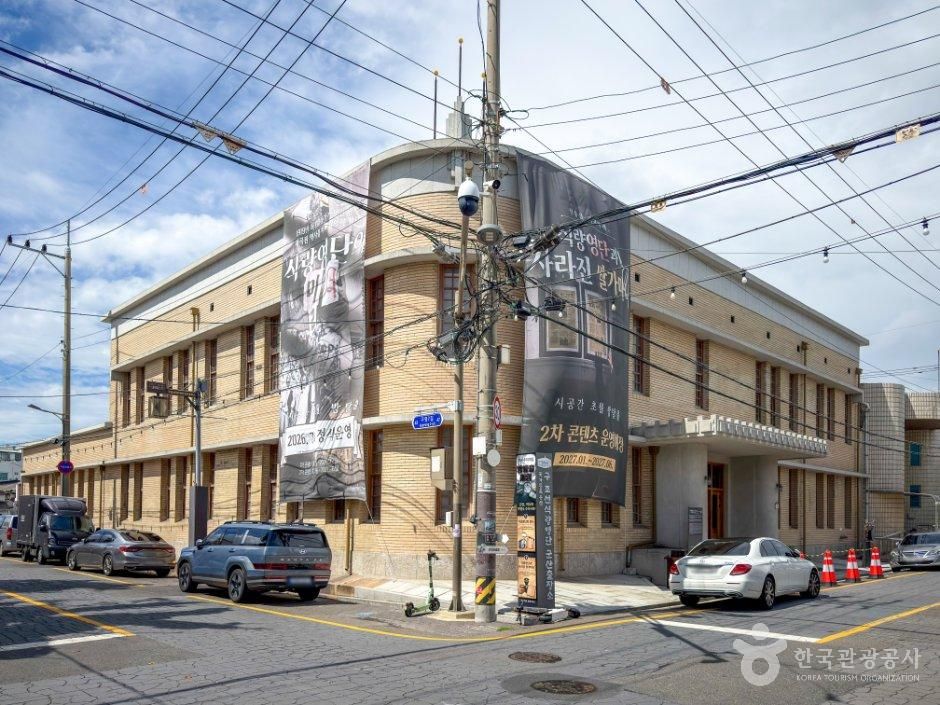
To see where the Honam Plain rice brought in by train was controlled and managed, turn back to 43 Guyeong 2-gil in the old downtown. The Former Joseon Food Corporation Gunsan Branch Office is a 2-story reinforced concrete building with an L-shaped plan. It was the office of the agency that ran the forced requisition and rationing of rice after the Sino-Japanese War, during the colonial period.
The rounded corners of its outer walls and its vertical rows of windows clearly show the features of 1930s–1940s government buildings. It now opens its interior free of charge 10:00–17:00 (closed on Monday). It calmly walks you through the history of food control between the railway and the port.
- Former Joseon Food Corporation Gunsan Branch OfficeClosed days Every Monday
A Modern Railway and Industrial Heritage Course from Downtown to Impi-myeon
To see all three in one day, a natural order is to start with the Former Joseon Food Corporation Gunsan Branch Office in the old downtown in the morning. Then drive 10 minutes to Gyeongam-dong Railroad Village and stroll along the flat tracks.
In the afternoon, head east to Impi-myeon and look around the quiet Gunsan Impi Station Building and the railcar exhibition hall for a calm afterglow different from the busy downtown sights. The former Joseon Food Corporation branch office and Impi Station close on Mondays, so plan your visit between Tuesday and Sunday.
- Former Joseon Food Corporation Gunsan Branch OfficeClosed days Every Monday
- Gyeongam-dong Railroad VillageHours Always open
- Gunsan Impi Station BuildingHours 10:00–18:00
The 3 places in this column
-
1
Gyeongam-dong Railroad Village
A village that grew up along a paper mill's spur line opened in 1944. It is a flat track walk that is always open.
- Hours
- Always open
- Closed days
- Open all year
- Fee
- Free

-
2
A Gunsan Line small station built around 1936. You can tour its main building, Registered Cultural Heritage No. 208, and the passenger car exhibition hall for free.
- Hours
- 10:00–18:00
- Closed days
- Closed every Monday
- Fee
- Free
-
3
Former Joseon Food Corporation Gunsan Branch Office
An L-shaped reinforced concrete building that managed food requisition and rationing in the colonial period. It is cultural heritage that shows modern distribution and administrative history.
- Hours
- 10:00–17:00 (lunch break 12:00–13:00)
- Closed days
- Every Monday
- Fee
- Free
Photos: Korea Tourism Organization · KOGL Type 3 (no changes allowed), KOGL Type 1