Gunsan columnsHistory & ArchitectureA History of Exploitation and Resistance6 min read
From the Tidal Floating Pier to the Hurrahs on Guam-dong Hill: Gunsan's History of Exploitation and Resistance
From the inner harbor's floating pier and the food corporation branch office to the memorial hall of the March 5 independence movement, the first south of the Hangang River, we trace Gunsan's modern history.
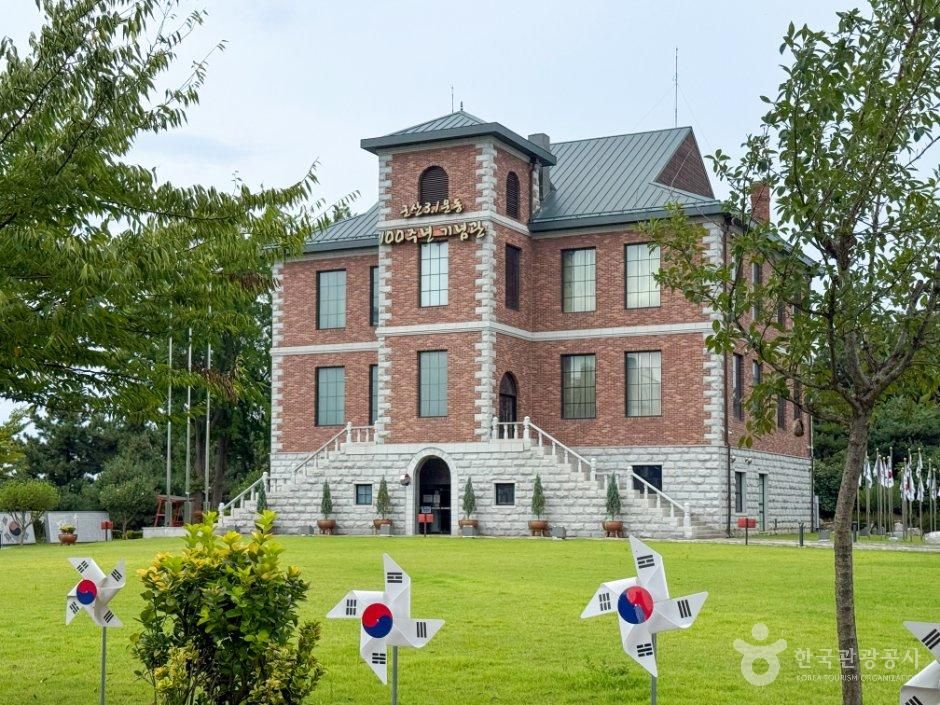
Gunsan's modern heritage is often consumed as exotic brick buildings.
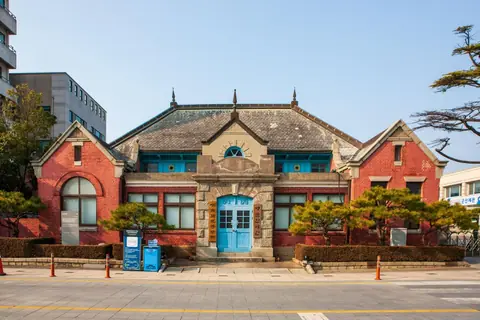
Behind them, though, are carved both a meticulous system of rice exploitation and the fierce resistance of the Gunsan people who stood against it. This is a dark tourism and history trip. It links the inner harbor's floating pier (floating wharf), the former Joseon Food Corporation branch office, the Gunsan History Hall of the Japanese Colonial Period and the March 1st Movement 100th Anniversary Memorial Hall on Guam-dong Hill.
The 5 places in this columnFull list
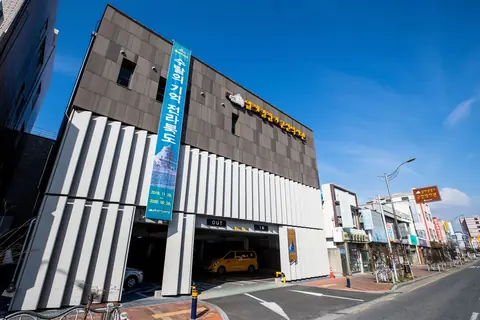
Gunsan History Hall of the Japanese Colonial Period
- Hours
- Summer (March–October) 09:00–18:00Winter (November–February) 09:00–17:00 · Last entry is 30 minutes before closing
- Closed days
- Every Monday more
March 1st Movement 100th Anniversary Memorial Hall
- Hours
- Summer 09:00–18:00 (last entry 17:30)Winter 09:00–17:00 (last entry 16:30) more
- Closed days
- Every Monday more
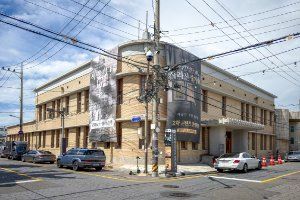
Former Joseon Food Corporation Gunsan Branch Office
- Hours
- 10:00–17:00 (lunch break 12:00–13:00)
- Closed days
- Every Monday
- Hours
- 10:00–17:00
- Closed days
- Every Monday

- Hours
- 09:00–21:00 (last entry 20:30)
- Closed days
- Every Monday
Photos: Korea Tourism Organization · KOGL Type 1, KOGL Type 3 (no changes allowed)
“If the floating pier on the inner harbor was a shipping machine that never stopped through high and low tides, the red-brick tower on Guam-dong Hill was a flame of resistance that burned against that time.”
A Pier That Never Stopped Through High and Low Tide: The Inner Harbor and Jinpo Marine Park
The West Coast has a large tidal range, so at low tide it is hard for large ships to dock at the pier. To load rice collected from the Honam Plain onto ships regardless of the water level, imperial Japan installed floating piers in Gunsan's inner harbor. These iron structures rise when the tide comes in and settle when it goes out.
Walk along the inner harbor waterfront toward Jinpo Marine Park and the Honam Customs Museum and you come upon traces of old piers stretching far out to sea. This very sea was where General Choe Mu-seon defeated more than 500 Japanese ships with cannons in the Jinpo Great Victory at the end of Goryeo. After the port opened, it became the front line of customs collection and rice shipments. The spot shows that irony of history in one place.
- Jinpo Marine ParkClosed days Every Monday
- Honam Customs MuseumHours 10:00–17:00
The Food Control Office and the Gunsan History Hall of the Japanese Colonial Period at the Foot of Wolmyeongsan Mountain
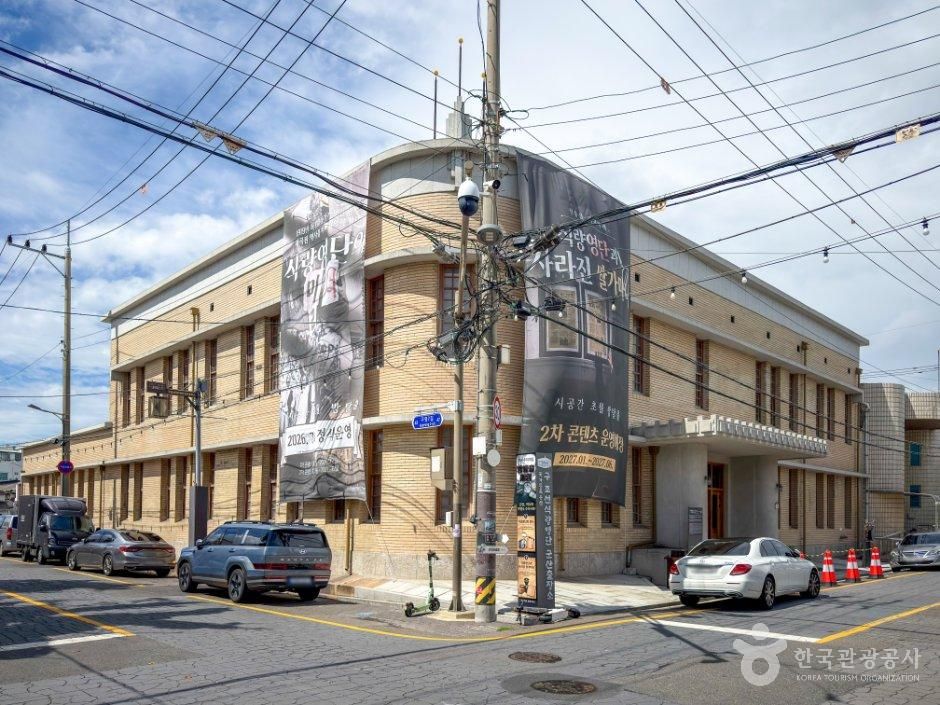
How the rice shipped out of the inner harbor was tallied and controlled within the city is shown by the Former Joseon Food Corporation Gunsan Branch Office at 43 Guyeong 2-gil. Under the wartime food system after the Second Sino-Japanese War, this L-shaped reinforced concrete building monopolized the forced collection and rationing of rice. It is now open as a free exhibition hall, 10:00–17:00 (closed on Mondays).
For a wider view of the city's whole structure of exploitation and daily life, walk to the Gunsan History Hall of the Japanese Colonial Period at the foot of Wolmyeongsan Mountain (237 Daemyeong-gil). It lays out in order colonial Gunsan's urban planning, its history of exploitation and the records of ordinary people who had to survive within it.
- Gunsan History Hall of the Japanese Colonial PeriodClosed days Every Monday
- Former Joseon Food Corporation Gunsan Branch OfficeClosed days Every Monday
Guam-dong Hill, Where the First Cry South of the Hangang River Rang Out: The March 1st Movement 100th Anniversary Memorial Hall
The reason Gunsan's modern history does not end as a record of exploitation alone is on Guam-dong Hill, which looks down on the Geumgang River. This is the site of the first independence demonstration south of the Hangang River, on March 5, 1919. In Guam-dong, teachers who had studied at Severance Union Medical College, students of Yeongmyeong School, clerks of Jesus Hospital and citizens gathered for market day started it.
The March 1st Movement 100th Anniversary Memorial Hall, built on this historic ground, has a red-brick memorial hall modeled on the exterior of the Yeongmyeong School building of the time, a memorial space and a hands-on education room. After seeing the dark history of the inner harbor, climb Guam-dong Hill and look down on the Geumgang River, and the weight of the pain and the pride one city has lived through finally comes into balance.
- March 1st Movement 100th Anniversary Memorial HallClosed days Every Monday
The Order of a History Field Trip from the Inner Harbor to Guam-dong Hill
To follow the historical flow, it works well to combine the Honam Customs Museum and Jinpo Marine Park at the inner harbor in the morning, followed by the Former Joseon Food Corporation Gunsan Branch Office within walking distance.
In the afternoon, stop by the Gunsan History Hall of the Japanese Colonial Period on Wolmyeongsan Mountain and end the day at the March 1st Movement 100th Anniversary Memorial Hall on Guam-dong Hill. That completes a narrative route from the port opening (1899) through occupation to the resistance of spring 1919.
- Honam Customs MuseumHours 10:00–17:00
- Jinpo Marine ParkClosed days Every Monday
- Former Joseon Food Corporation Gunsan Branch OfficeClosed days Every Monday
- Gunsan History Hall of the Japanese Colonial PeriodClosed days Every Monday
- March 1st Movement 100th Anniversary Memorial HallClosed days Every Monday
The 5 places in this column
-
1
March 1st Movement 100th Anniversary Memorial Hall
A memorial hall on Guam-dong Hill, birthplace of the March 5 independence movement, the first south of the Hangang River. It sheds light on Gunsan's history of the anti-Japanese independence movement.
- Hours
- Summer 09:00–18:00 (last entry 17:30)Winter 09:00–17:00 (last entry 16:30) more
- Closed days
- Every Monday more
- Fee
- Adults 500 wonCombined ticket: Adults 5,000 won more
-
2
Former Joseon Food Corporation Gunsan Branch Office
The office building that ran rice requisition and rationing under the wartime system. Its interior history exhibition is now open free of charge.
- Hours
- 10:00–17:00 (lunch break 12:00–13:00)
- Closed days
- Every Monday
- Fee
- Free
-
3
Gunsan History Hall of the Japanese Colonial Period
A space at the foot of Wolmyeongsan Mountain that comprehensively exhibits colonial Gunsan's urban change, exploitation and daily life.
- Hours
- Summer (March–October) 09:00–18:00Winter (November–February) 09:00–17:00 · Last entry is 30 minutes before closing
- Closed days
- Every Monday more
- Fee
- Individuals more

-
4
The Former Gunsan Customs House Main Building, built in 1908. You can look at open-port trade and customs administration on site.
- Hours
- 10:00–17:00
- Closed days
- Every Monday
- Fee
- Free

-
5
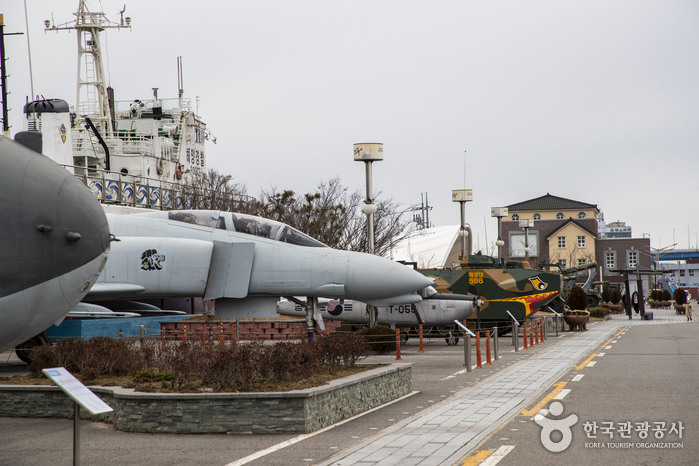
A history park on the waterfront of Gunsan's inner harbor, once the site of the late Goryeo Jinpo Great Victory and later of modern rice shipments.
- Hours
- 09:00–21:00 (last entry 20:30)
- Closed days
- Every Monday
- Fee
- Individuals more
Photos: Korea Tourism Organization · KOGL Type 1, KOGL Type 3 (no changes allowed)