Gunsan columnsGlobal & Literary PerspectivesGeumgang River Migratory Birds and Ecology6 min read
The Flock Dance of Tens of Thousands of Baikal Teal: A Migratory Bird Trip to the Geumgang Estuary Bank and Napo Sipjatteul
We follow the Geumgang ecology belt from the Geumgang Future Experience Center, with its 11th-floor observation deck, to the Napo Sipjatteul Migratory Bird Observatory and the 200,000 m² Ecological Wetland Park.

From late autumn, when cold winds start to blow, to early spring, the Geumgang River estuary becomes a vast resting place where hundreds of thousands of winter migratory birds from Siberia fold their wings.
We record an ecological trip where river and sky meet. It takes in the 1,841 m Geumgang Estuary Bank completed in 1990 and the Geumgang Future Experience Center (formerly the Geumgang Migratory Bird Observatory) with its 11th-floor observatory. It also covers the Napo Sipjatteul Migratory Bird Observatory and the 200,000 m² Ecological Wetland Park.
The 6 places in this columnFull list

- Hours
- Always open
- Closed days
- Open all year

Napo Sipjatteul Migratory Bird Observatory
- Hours
- Always open
- Closed days
- Open all year

- Closed days
- Open all year

- Hours
- Always open
- Closed days
- Open all year

Geumgang Wetland Ecological Park
Not listed: Hours·Closed days·Fee
Not listed: Hours·Closed days·Fee

Photos: Korea Tourism Organization · KOGL Type 3 (no changes allowed)
“At dusk, when tens of thousands of Baikal teal rise at once over the Geumgang River and sweep across the sky like a black wave, the border between river and sea drawn by humans is erased in an instant.”
The 1,841 m Geumgang Estuary Bank and the 11th-Floor Observation Deck of the Geumgang Future Experience Center
The Geumgang Estuary Bank (completed in 1990), 1,841 m long, links Seongsan-myeon in Gunsan-si with Seocheon-gun in Chungnam. It is an ecological crossroads where the vast freshwater Geumgang Lake meets the West Sea tidal flats. Wide reed beds, sandbars and the fertile farmland around them form a food web, so every autumn Baikal teals, whooper swans, mallards, spot-billed ducks and others arrive in a steady stream.
To look down on the estuary from above, go up the Geumgang Future Experience Center at 120 Cheolsae-ro, Seongsan-myeon. Formerly called the Geumgang Migratory Bird Observatory, it is a climate crisis education and experience facility. Its 11th-floor observatory looks down on the Geumgang River estuary, and the 1st and 2nd floors have themed exhibition halls, including a Geumgang River ecology hall. Admission is 2,000 won for adults (1,000 won for teens and soldiers, 500 won for children). It is closed every Monday and on January 1.
- Geumgang Estuary BankHours Always open
Quiet Birdwatching in the Middle of the Fields: Napo Sipjatteul Migratory Bird Observatory
Follow the river northeast from Geumgang Future Experience Center to Napo-myeon (905-3 Okgon-ri), and the Napo Sipjatteul Migratory Bird Observatory appears, where you meet migratory birds at closer eye level. Irrigation channels run across the wide plain in the shape of the character 十 (ten), so the place is called Sipjatteul, the Cross Field. It is a key feeding ground where migratory birds gather to find grains dropped in the harvested rice paddies.
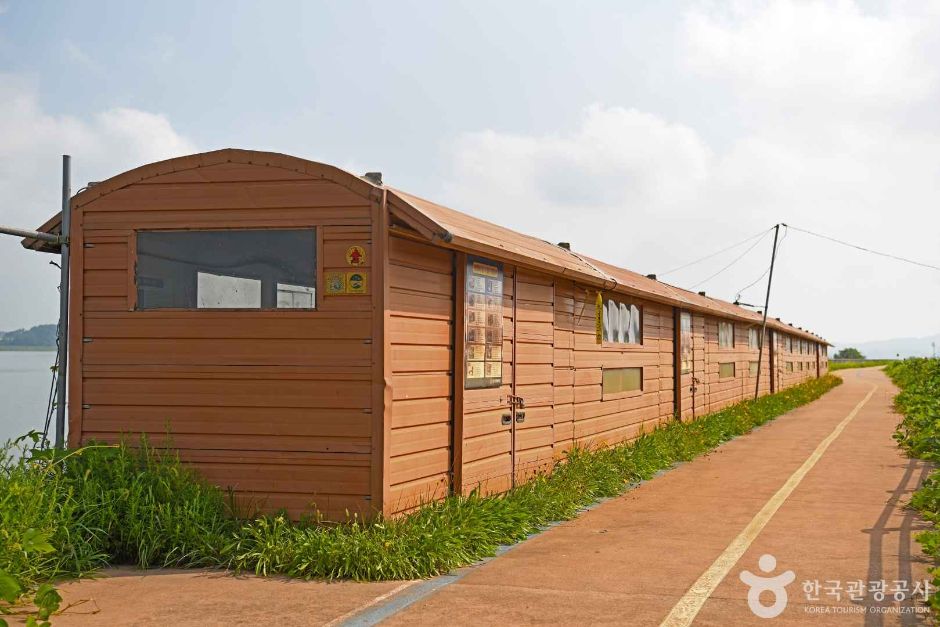
The observation post is open free of charge at all times, all year, and has parking. Wooden screens keep the birds from being startled. Look through the observation windows behind them, and you can feel right before your eyes the breath of bean geese and swans peacefully foraging, even in the cold winter wind.
- Napo Sipjatteul Migratory Bird ObservatoryHours Always open
The Geumgang Ecological Wetland Park and Citizens' Park, with 200,000 m² of Reed Beds and Ponds to Walk
If you want to walk the scene beyond the telescope on your own feet, the waterside trail through the Ecological Wetland Park, Geumgang Wetland Ecological Park and Geumgangho Citizens' Park around Seongsan-myeon is a perfect fit.
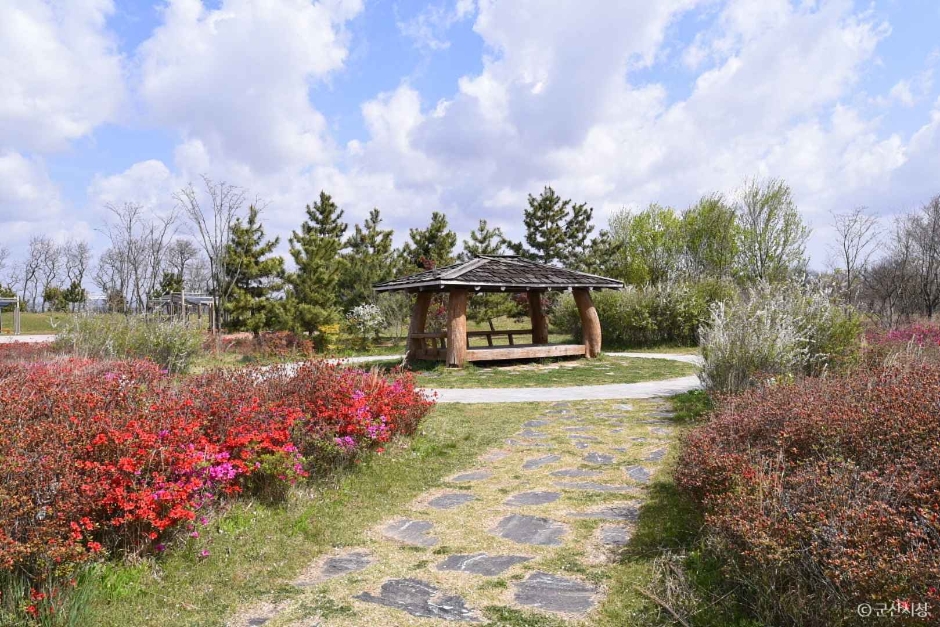
The Ecological Wetland Park, built on about 200,000 m², has level walking paths running between nature-friendly ponds and reed beds, creating a quiet atmosphere in every season. Extend your walk to Geumgangho Citizens' Park right next to the estuary barrage, and you can take in the bird-watching spots and the waterside deck in one go, in the river breeze.
- Ecological Wetland ParkClosed days Open all year
- Geumgang Wetland Ecological Park
- Geumgangho Citizens' Park
A Dusk Timetable for Seeing the Flock Dance, and Birdwatching Etiquette
The highlight of a bird trip, the flock dance of the Baikal teal, mostly unfolds at dusk (around 16:30–17:30). That is when birds that rested on the Geumgang River during the day take off to find food.
The ideal route is to stop first at the Geumgang Future Experience Center around 14:00–15:00 and look around the indoor exhibits and the 11th-floor observation deck. As the sun begins to sink, move to the Ecological Wetland Park or the Napo Sipjatteul Migratory Bird Observatory and watch the birds embroider the sunset sky. When birdwatching, basic manners are to avoid flashy, brightly colored clothes and loud noise so you do not disturb the birds' rest.
- Ecological Wetland ParkClosed days Open all year
- Napo Sipjatteul Migratory Bird ObservatoryHours Always open
The 6 places in this column
-
1
A tourist area around the Geumgang Estuary Bank in Seongsan-myeon, always open all year round. It holds waterside trails and bird viewing points.
- Hours
- Always open
- Closed days
- Open all year
- Fee
- Not listed
-
2
Napo Sipjatteul Migratory Bird Observatory
A free observatory in the fields of Okgon-ri, Napo-myeon, always open. You can meet flocks of birds landing on the harvested plain up close.
- Hours
- Always open
- Closed days
- Open all year
- Fee
- Free
-
3
A Geumgang ecological wetland of about 200,000 m² in Seongsan-myeon. It is good for a quiet walk along reed beds and ponds.
- Hours
- Not listed
- Closed days
- Open all year
- Fee
- Not listed
-
4
Geumgang Wetland Ecological Park
A waterside ecological park on the Geumgang River in Seongdeok-ri, Seongsan-myeon. It offers a walking course where river water and reed colonies blend.
- Hours
- Not listed
- Closed days
- Not listed
- Fee
- Not listed
-
5
An estuary bank 1,841 m long, completed in 1990. It is the central axis of ecotourism in eastern Gunsan, where Geumgangho Lake meets the West Sea.
- Hours
- Always open
- Closed days
- Open all year
- Fee
- Free

-
6
A waterside park beside the coastal road in Seongsan-myeon. It is a rest area linking the bird viewing spots and the Chae Man-sik Literary Museum.
- Hours
- Not listed
- Closed days
- Not listed
- Fee
- Not listed
Photos: Korea Tourism Organization · KOGL Type 3 (no changes allowed)